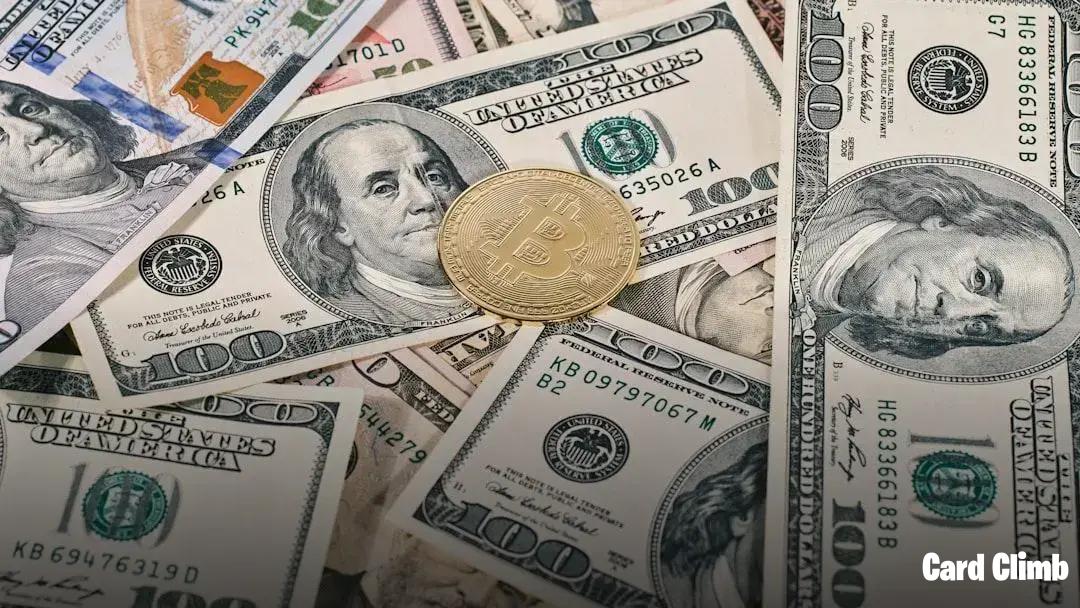


The concept of inflation might seem complex, but it’s crucial to understand its impact on your finances. Inflation affects everything from the price of groceries to the value of your savings. By understanding its mechanics, you can make informed decisions about your money. Learn how inflation works, its effects on buying power, and strategies to safeguard your financial health. Explore the nuances of this economic phenomenon through examples and actionable strategies.
What is Inflation?
Inflation is the rate at which the general level of prices for goods and services rises, leading to a decrease in purchasing power. It is measured as an annual percentage increase. When inflation is high, the currency buys fewer goods and services. For example, if the inflation rate is 2%, a candy bar that costs $1 will cost $1.02 in a year.
Central banks attempt to limit inflation, and avoid deflation, to keep the economy running smoothly. There are several types of inflation including demand-pull inflation, cost-push inflation, and built-in inflation.
Demand-pull inflation occurs when demand for goods and services exceeds their supply. This often happens in growing economies where more people spend money, fueling economic expansion but also driving up prices.
Cost-push inflation
Cost-push inflation results when the costs to produce increase, leading producers to raise prices to maintain profitability. This could happen due to rises in wages, taxes, or the cost of raw materials.
Another aspect is built-in inflation, which is associated with the so-called wage-price spiral. As the price of goods and services rises, workers demand higher wages to maintain their standard of living. Producers then respond by raising prices or cutting output, further perpetuating the cycle.
How Inflation Impacts Your Buying Power
Inflation can erode your buying power over time by increasing the cost of goods and services. When inflation rates rise, the value of money falls, which means you need more money to buy the same things. This situation affects everyone, from individuals to businesses, impacting daily expenses and long-term financial planning.
Day-to-Day Purchases
The cost of daily essentials such as groceries, fuel, and utilities tend to rise with inflation. Families may find their budgets strained as these necessary expenses consume a larger portion of their income. This can lead to adjusting buying habits, such as choosing cheaper alternatives or reducing consumption of non-essential items.
Long-Term Financial Planning
Inflation also affects savings and investments. The money saved today might have less purchasing power in the future, which can be a concern for retirement planning. It is crucial to consider inflation when evaluating the real return on investments, as your gains must outpace inflation to maintain value over time.
Wage Adjustments
Wages and salaries may not always keep pace with inflation, leading to a reduction in real income. Employees must advocate for pay raises, and employers need to adjust compensation strategies to retain talent in competitive markets. Understanding this aspect is vital for both workers and employers.
Historical Examples of Inflation
Throughout history, inflation has periodically escalated, impacting economies and the daily lives of people across the globe. One noteworthy instance occurred during Germany’s Weimar Republic in the early 1920s. Following World War I, the German government printed money to pay reparations, leading to hyperinflation. Prices soared, and citizens needed wheelbarrows of cash to buy basic goods.
Another significant example happened in Zimbabwe in the late 1990s and early 2000s. The country experienced rampant inflation, peaking in 2008 when the annual inflation rate reached an unfathomable 89.7 sextillion percent. Essential goods vanished from shelves as people struggled to buy food and fuel.
In the United States, the 1970s witnessed a period of stagflation, a blend of stagnant growth and rising inflation, fueled by oil shocks and monetary policy challenges. Interest rates climbed as inflation rates soared, drastically affecting the purchasing power of American households.
Meanwhile, in the 1990s, Brazil faced a persistent battle against inflation, with rates hitting 2,477% in 1993. Such extreme inflation rates undermined the economy’s stability, leading to the introduction of the Real Plan, which successfully curbed the hyperinflation threats.
These historical events illustrate how inflation can spiral out of control, eroding currency value and severely diminishing buying power. Each example underscores the critical importance of careful economic policies and the vigilance needed to prevent inflatory pressures from destabilizing economies.
Strategies to Protect Your Buying Power
To shield your buying power from the claws of inflation, it’s essential to diversify your investments. Consider spreading your financial assets across various holdings, such as stocks, bonds, real estate, and commodities. This approach minimizes risk and can lead to more stable growth.
Another pivotal strategy is to
invest in inflation-protected securities
. Government-issued bonds, like Treasury Inflation-Protected Securities (TIPS), can help safeguard your finances by providing a return adjusted for inflation.
Keeping an eye on your expenses is also key. Adopt a budget that identifies needs versus wants, and prioritize necessities. Cutting down on discretionary spending and focusing on essentials helps maintain your financial stability.
Regular review of your investment portfolio is vital. Economic conditions change, necessitating adjustments in your investment strategy to defend against inflation’s impact. Consult with a financial advisor to ensure your portfolio remains well-balanced and resilient.
Consider additional income streams as a buffer. Exploring freelance work, side businesses, or passive income opportunities can bolster your financial security, especially during economic uncertainty.
Finally, stay informed about economic trends. Knowledge is power, and understanding how inflation can affect different sectors will empower you to make proactive financial decisions.