
Top Credit Card Issuers in the US
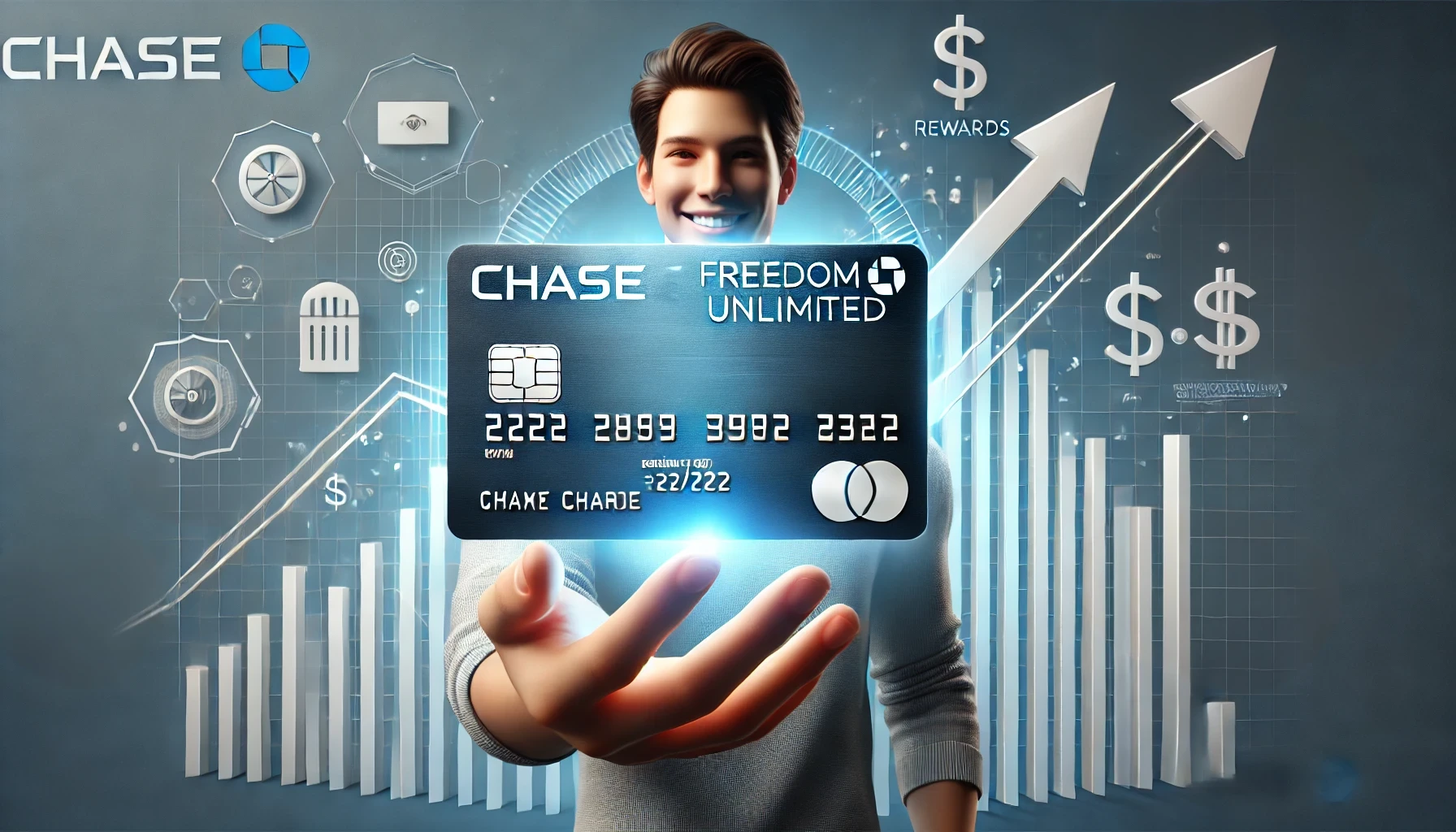
- Chase
Known for premium travel cards like Sapphire, Chase offers strong rewards ecosystems, flexible redemption options, and valuable travel protections. - American Express (Amex)
For high-end rewards and perks, Amex cards excel in travel points, purchase protections, and customer service, though acceptance can vary. - Capital One
A favorite for simplicity, Capital One provides flat-rate cash back and travel rewards with user-friendly digital tools. - Discover
Popular for first-time cardholders, Discover offers cash back rewards, no annual fees, and strong U.S.-based customer support. - Navy Federal Credit Union
Serves military members with low APRs, generous credit limits, and competitive rewards tailored to service families.
1. Major Bank Credit Cards
Cards from large banks like Chase, Citi, and Bank of America dominate the U.S. market. They typically offer robust rewards such as cash back or travel points, along with perks like 0% intro APR on balance transfers and fraud protection. These cards are ideal for consumers with good to excellent credit looking to maximize rewards, though they may include annual fees or stricter approval requirements.
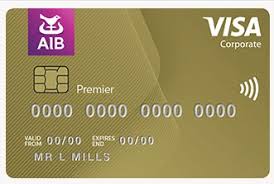
2. AIB Options Credit Card
The AIB Options Credit Card offers a flexible and practical solution for U.S. consumers seeking simplicity and control. It typically features competitive APR rates, making it suitable for those who may occasionally carry a balance. While its rewards structure may be more modest compared to premium U.S. cards, it emphasizes low fees, transparent terms, and ease of use. The application process is straightforward, and the card is designed to support responsible usage, helping users build or maintain their FICO score. Its value lies in reliability, predictable costs, and accessibility—particularly appealing for consumers prioritizing financial stability over complex rewards systems.
3. Fintech or Online-Only Credit Card Issuers
Fintech issuers like Chime, Petal, and Apple Card focus on digital-first experiences. These cards often use alternative underwriting methods (like cash flow instead of just credit history), making them accessible to those with limited credit. They typically offer no annual fees, real-time spending insights, and simple cash back rewards. However, rewards may be less competitive, and credit limits can start low.
4. Secured Credit Cards for Building Credit
Secured cards require a refundable deposit (e.g., $200–$500) that acts as your credit limit. They’re widely used in the U.S. to build or rebuild a FICO score. Responsible use—like on-time payments and low credit utilization—can lead to upgrades to unsecured cards. While they lack strong rewards, they are one of the safest ways to establish credit history.
5. Retail Store Credit Cards
Retail cards (e.g., from Amazon, Target, or Macy’s) offer discounts or store-specific rewards. While appealing for frequent shoppers, they often come with high APRs and limited usability outside the retailer. These cards can be helpful for short-term savings but should be used cautiously to avoid high-interest debt.
How Credit Cards Impact Your Finances and Credit Score in the US
Credit cards play a central role in your financial health in the U.S. Your credit utilization ratio—the percentage of available credit you use—is a major factor in your FICO score, with lower usage (under 30%) being الأفضل. Making on-time payments builds a strong credit history, while carrying high balances can lead to costly compound interest. Credit card usage also affects your debt-to-income (DTI) ratio, which lenders evaluate when approving mortgages or loans. أدوات مثل balance transfers with 0% intro APR can help manage debt, but require discipline. Benefits like purchase protection and rental car insurance add value when used wisely. Be cautious with multiple hard inquiries, as they can temporarily lower your score. Always read the cardholder agreement, avoid high-interest debt, and aim to pay your balance in full each month.